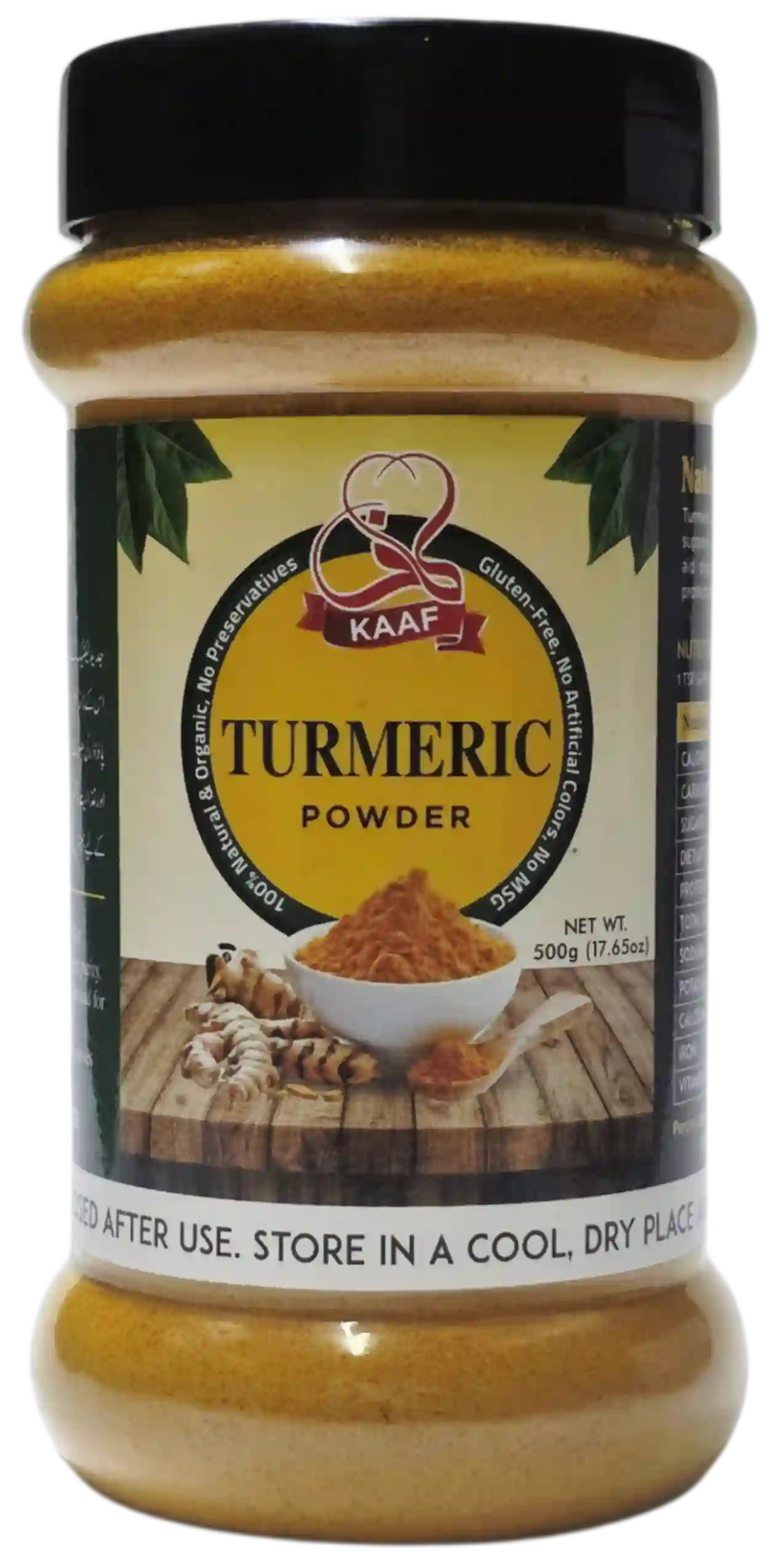
Turmeric Powder: 5 Powerful Health Benefits & Nutritional Facts You Must Know
Introduction
Turmeric powder is a vibrant golden spice derived from the Curcuma longa plant. Renowned for its powerful anti-inflammatory compound, curcumin, it has been used for centuries in cooking and traditional medicine to support overall health.
Health Benefits
Powerful Anti-Inflammatory
Curcumin, the active compound, helps reduce chronic inflammation and supports joint health and mobility.
Supports Digestion
Stimulates bile production, aiding in the digestion of fats and reducing bloating and indigestion.
Promotes Heart Health
Improves endothelial function and regulates blood pressure, supporting overall cardiovascular wellness.
Regulates Blood Sugar
Helps improve insulin sensitivity and maintain healthy glucose levels in the blood.
Protects Joints
Its antioxidant properties protect cartilage and reduce symptoms associated with arthritis and joint pain.
💡 Did you know?
Turmeric's active compound, curcumin, is poorly absorbed by the body. Consuming it with a pinch of black pepper can boost its absorption by up to 2,000%!
Nutritional Value
Quick Tips
💡 Pro Tip
Add ½ teaspoon to curries, soups, or smoothies for a golden glow and earthy warmth. Always pair with a pinch of black pepper for maximum absorption.
👑 Master Tip
Store your Kaaf Foods turmeric powder in a dark airtight container away from direct sunlight to maintain its vibrant color and potency.
FAQ
Is turmeric powder as healthy as fresh turmeric?
Can I use it every day?
Does it lose flavor over time?
Can I substitute fresh turmeric?
Is it safe for people with allergies?
Conclusion
Turmeric powder is a potent and vibrant spice that adds a golden hue and earthy flavor to dishes while offering impressive anti-inflammatory and immune-boosting health benefits.
🍃 Love Healthy Recipes?
Join our family on Kaaf Foods YouTube! Get expert spice guides, health deep-dives, and delicious recipes.
Subscribe
References
- USDA FoodData Central – Turmeric powder, dehydrated
- National Institutes of Health (NIH) – Antioxidant properties
- World Health Organization (WHO) – Dietary guidelines
You May Also Like
[kaaf_related_blogs]Information is for educational purposes only. Always consult a healthcare professional.