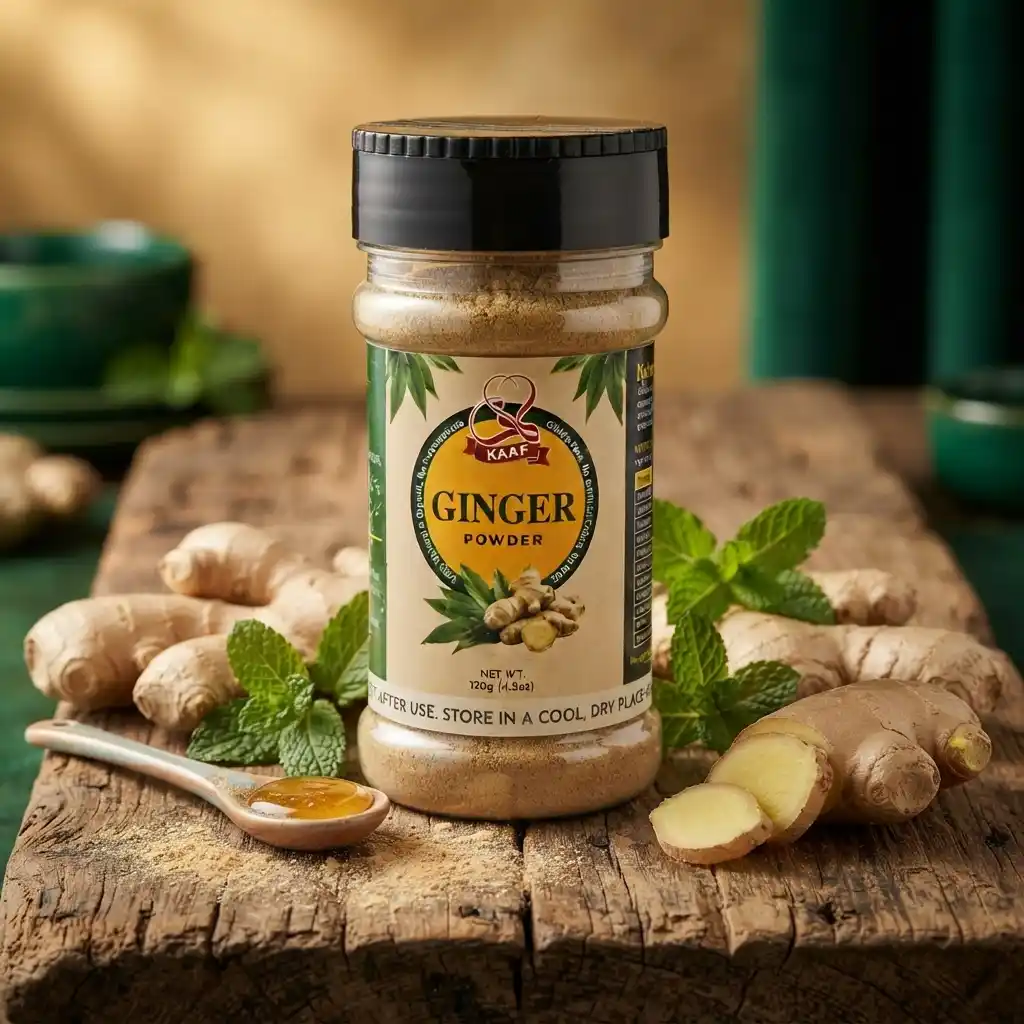
5 Common Myths About Ginger Powder Busted by Science
Introduction
Ginger powder (Sonth) has been valued in Ayurvedic and traditional medicine for centuries. Made from dehydrated dried ginger root, it is renowned for its digestive warming properties. However, myths often claim that dried ginger loses all its active gingerols or that ginger powder is inferior to fresh ginger root. Let's explore the science and bust 5 common ginger powder myths!
5 Ginger Powder Myths Busted
Myth 1: "Ginger powder is far less effective for digestion than fresh ginger."
The Fact: Science shows that drying ginger actually converts fresh gingerol into shogaols—which are even more potent anti-inflammatory compounds! Ginger powder effectively calms nausea, bloating, and digestive discomfort.
Myth 2: "Ginger powder makes herbal tea taste unpleasantly bitter."
The Fact: Bitter taste in ginger tea comes from overboiling fresh ginger root skin. Fine pure ginger powder dissolves smoothly into boiling tea leaves or Kahwa, providing a clean, warm, aromatic zing without stringy root fibers or harsh bitterness.
Myth 3: "Drying ginger destroys all bioactive antioxidant compounds."
The Fact: Dehydration removes water weight while concentrating minerals, gingerols, and essential oils! Research confirms dried ginger root retains high antioxidant potency in a shelf-stable powder.
Myth 4: "Ginger powder is only for baking ginger cookies."
The Fact: Beyond baking, ginger powder is a versatile superfood! It is used daily in warm lemon-water detox drinks, morning smoothies, sore throat honey remedies, salad dressings, and savory rubs.
Myth 5: "Ginger powder causes internal body heat and skin rashes."
The Fact: Consumed in normal culinary amounts (¼ to ½ teaspoon daily), pure ginger powder improves blood circulation, boosts metabolism, and supports digestion without adverse effects for healthy individuals.
💡 Science Fact: Shogaol Potency
When ginger root is dehydrated, gingerols transform into shogaols, which possess twice the antioxidant activity of raw ginger, making ginger powder uniquely potent for health!
Nutritional Value
Quick Storage Tips
💡 Storage Tip
Keep your ginger powder stored in an airtight glass container away from direct sunlight to preserve volatile essential oils.
👑 Master Tip
Always scoop Kaaf Foods ginger powder with a bone-dry spoon to ensure it stays free-flowing and potent for up to 18 months!
FAQ
Is ginger powder as effective for nausea as fresh ginger?
How much ginger powder replaces fresh grated ginger?
Can I add ginger powder to morning warm lemon water?
Conclusion
Pure ginger powder is a powerful superfood spice that delivers warming digestive comfort, concentrated shogaol antioxidants, and easy kitchen convenience!
🍃 Love Natural Health & Spices?
Join our family on Kaaf Foods YouTube! Get expert spice guides, health deep-dives, and delicious recipes.
Subscribe
🌿 Premium Ginger Powder
- 100% Dehydrated & Pure
- Rich in Active Shogaols & Gingerols
- Warm Pungent Aroma
References
- USDA FoodData Central – Ground Dry Ginger (NDB_No 02021)
- Phytotherapy Research – Health benefits of shogaol and gingerol compounds
- World Health Organization (WHO) – Traditional herbal medicine guidelines
You May Also Like
Information is for educational and culinary inspiration purposes only. Always consult a healthcare professional for specific health or medical advice.