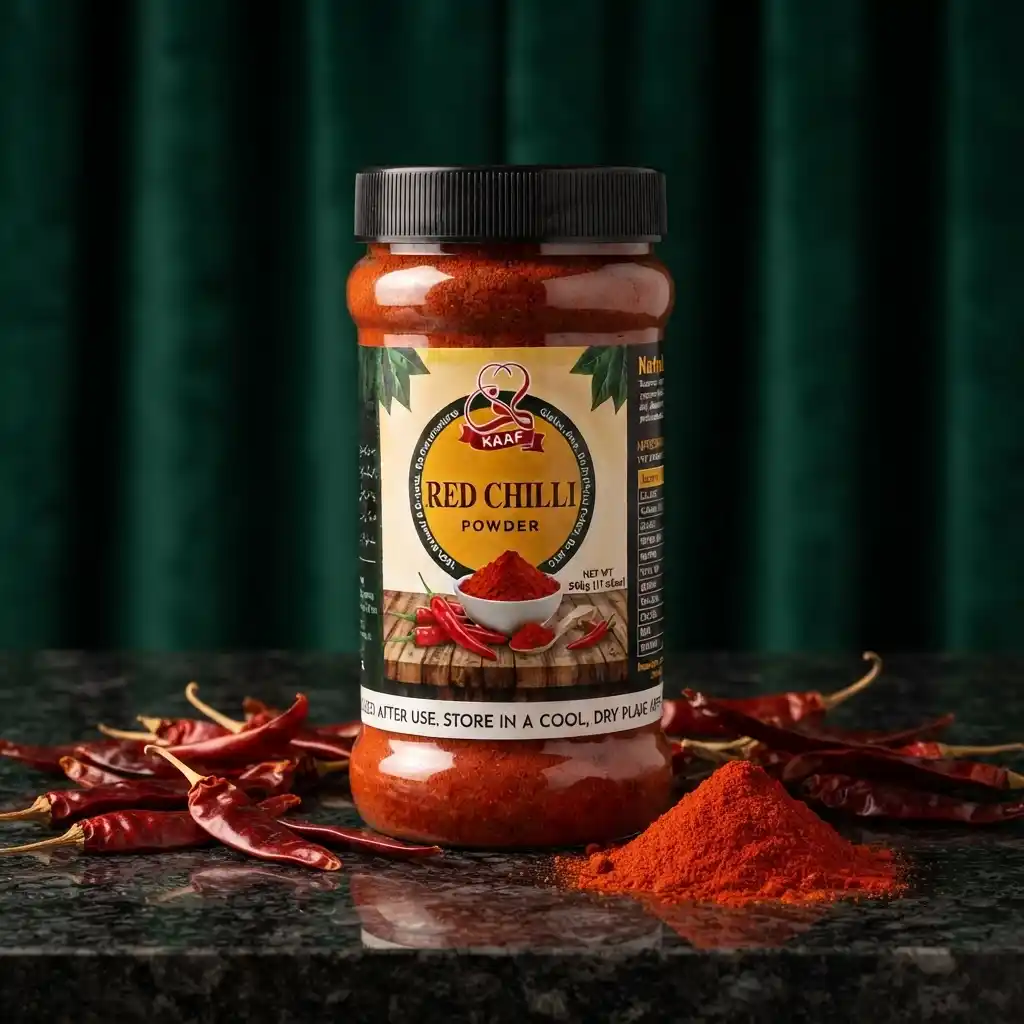
5 Common Myths About Red Chilli Powder Busted by Science
Introduction
Red chilli powder is the fiery soul of spicy cuisine. Rich in capsaicin, it boosts metabolism and releases feel-good endorphins. However, common myths suggest that red chilli powder causes stomach ulcers or contains artificial red dyes. Let's explore scientific facts and bust 5 common red chilli powder myths!
5 Red Chilli Powder Myths Busted
Myth 1: "Red chilli powder causes stomach ulcers."
The Fact: Modern gastroenterology proves stomach ulcers are caused by H. pylori bacteria or overusing NSAID painkiller drugs—not spice! In moderate amounts, capsaicin in red chilli actually protects gastric lining by stimulating protective mucus secretion.
Myth 2: "Commercial red chilli powders contain artificial red dyes."
The Fact: Pure red chilli powder (like Kaaf Foods) gets its vibrant crimson color solely from naturally sun-dried ripe red chillies. It contains zero artificial dyes, synthetic colors, or mineral oil additives.
Myth 3: "Red chilli powder has zero nutrients and is only for burning heat."
The Fact: Dehydrated red chillies are rich in capsaicinoids, Vitamin A precursors, potassium, and antioxidants that help boost metabolic rate, aid digestion, and support cardiovascular circulation.
Myth 4: "Red chilli powder cannot be used in desserts or dark chocolate."
The Fact: Gourmet Mexican spicy dark chocolate and chili-cocoa desserts are world-famous! A subtle pinch of fine red chilli powder complements dark cocoa, creating an unforgettable warm sweet-and-spicy balance.
Myth 5: "Water is the best way to cool down spicy red chilli burn."
The Fact: Capsaicin is fat-soluble and insoluble in water! Drinking plain water spreads chilli burn around your mouth. The true cure is dairy—milk, yogurt, or butter contains casein protein which neutralizes capsaicin immediately.
💡 Science Fact: Capsaicin & Metabolism
Clinical studies show that capsaicin in red chilli powder temporarily increases thermogenesis, encouraging your body to burn more calories naturally during digestion!
Nutritional Value
Quick Storage Tips
💡 Storage Tip
Keep your red chilli powder stored in an airtight glass jar in a cool, dark pantry away from light to prevent red pigment oxidation.
👑 Master Tip
Always scoop Kaaf Foods red chilli powder with a completely dry spoon to preserve its bright crimson color and fiery aroma for up to 18 months!
FAQ
How do I cool my mouth if I eat too much red chilli powder?
Does pure red chilli powder contain artificial dyes?
Can I make homemade chilli oil with red chilli powder?
Conclusion
Pure red chilli powder is a 100% natural, metabolic superfood spice that brings vibrant red color, exhilarating capsaicin heat, and culinary excitement to your kitchen!
🍃 Love Fiery Cooking Recipes?
Join our family on Kaaf Foods YouTube! Get expert spice guides, health deep-dives, and delicious recipes.
Subscribe
🌿 Premium Red Chilli Powder
- 100% Pure & Rich Crimson Color
- Natural Capsaicin Metabolism Boost
- No Artificial Dyes or Additives
References
- USDA FoodData Central – Spices, Pepper, Red or Cayenne (NDB_No 02031)
- Journal of Agricultural and Food Chemistry – Capsaicinoid stability in ground red pepper
- World Health Organization (WHO) – Guidelines on dietary antioxidant sources
You May Also Like
Information is for educational and culinary inspiration purposes only. Always consult a dietary professional for specific nutritional guidance.