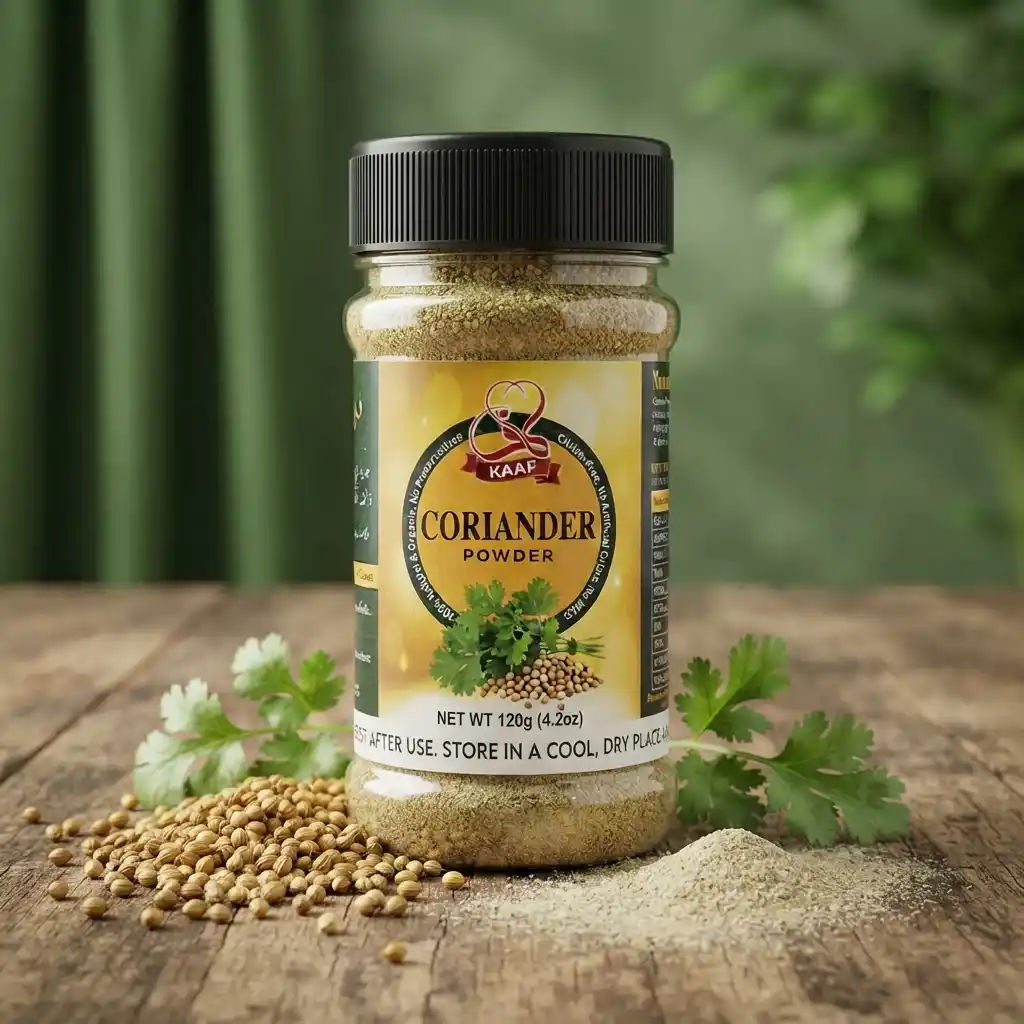
5 Common Myths About Coriander Powder Busted by Science
Introduction
Coriander powder (Dhania Powder) is cherished for its gentle citrusy warmth and subtle nutty sweetness. Made from finely ground coriander seeds, it is an aromatic mainstay in global cuisine. However, many people confuse coriander powder with fresh cilantro leaves or dismiss it as a mere gravy thickener. Let's explore the science and bust 5 common coriander powder myths!
5 Coriander Powder Myths Busted
Myth 1: "Coriander powder tastes soapy just like fresh cilantro leaves."
The Fact: Fresh cilantro leaves contain aldehyde chemicals that taste soapy to some people with specific olfactory genes. Coriander powder comes from dried seeds rich in linalool, giving a warm, citrusy, nutty flavor with zero soapy taste!
Myth 2: "Coriander powder is just a gravy thickener with no flavor."
The Fact: While high fiber in coriander powder naturally thickens sauces, it is packed with essential linalool oils that unify spices, balance chilli heat, and impart a warm citrusy aroma to any dish.
Myth 3: "Drying coriander seeds destroys all dietary health benefits."
The Fact: Dehydrated coriander seed powder is exceptionally rich in dietary fiber (42g per 100g!), iron, and essential oils that support gut digestion, soothe bloating, and help regulate blood sugar levels.
Myth 4: "Coriander powder is useless in non-curry Mediterranean foods."
The Fact: Coriander powder is a foundational spice in Mediterranean hummus, falafels, roasted nuts, salad vinaigrettes, and grilled corn. Its citrusy warmth pairs perfectly with olive oil and lemon juice!
Myth 5: "Coriander powder loses all aroma within 2 months."
The Fact: Stored properly in an airtight glass container away from direct sunlight and moisture, pure coriander powder retains its vibrant citrusy essential oils for up to 18 months.
💡 Science Fact: Linalool & Digestion
Clinical food chemistry studies prove that linalool essential oil in pure coriander powder stimulates digestive enzyme production, helping reduce post-meal bloating naturally!
Nutritional Value
Quick Storage Tips
💡 Storage Tip
Keep your coriander powder stored in a cool, dry pantry in a tightly sealed glass container to preserve delicate linalool essential oils.
👑 Master Tip
Always scoop Kaaf Foods coriander powder with a completely dry spoon to maintain its fresh citrusy aroma for up to 18 months!
FAQ
Does coriander powder taste like fresh cilantro leaves?
Is coriander powder high in dietary fiber?
Can I use coriander powder in salad dressings?
Conclusion
Pure coriander powder is an aromatic, fiber-rich, and citrusy spice that unifies flavors in curries, dips, salad dressings, and roasted snacks!
🍃 Love Flavorful Cooking Ideas?
Join our family on Kaaf Foods YouTube! Get expert spice guides, health deep-dives, and delicious recipes.
Subscribe
🌿 Premium Coriander Powder
- 100% Pure & Finely Ground
- Fresh Citrusy & Nutty Aroma
- No Added Salt or Preservatives
References
- USDA FoodData Central – Spices, Coriander Seed, Ground (NDB_No 02013)
- Journal of Food Science & Technology – Essential oil retention in ground coriander
- World Health Organization (WHO) – Daily culinary spice guidelines
You May Also Like
Information is for educational and culinary inspiration purposes only. Always consult a dietary professional for specific nutritional guidance.