Red Chilli Flakes vs Fresh Red Chilli: The Complete Guide to Heat & Flavor
Introduction
Choosing between red chilli flakes and fresh red chillies can be tricky. This guide breaks down their differences in heat, flavor, nutrition, and best uses. Whether you are sprinkling over a pizza, adding a kick to a marinade, or finishing a classic pasta dish, understanding these two ingredients will help you cook smarter and bolder.
See the Difference
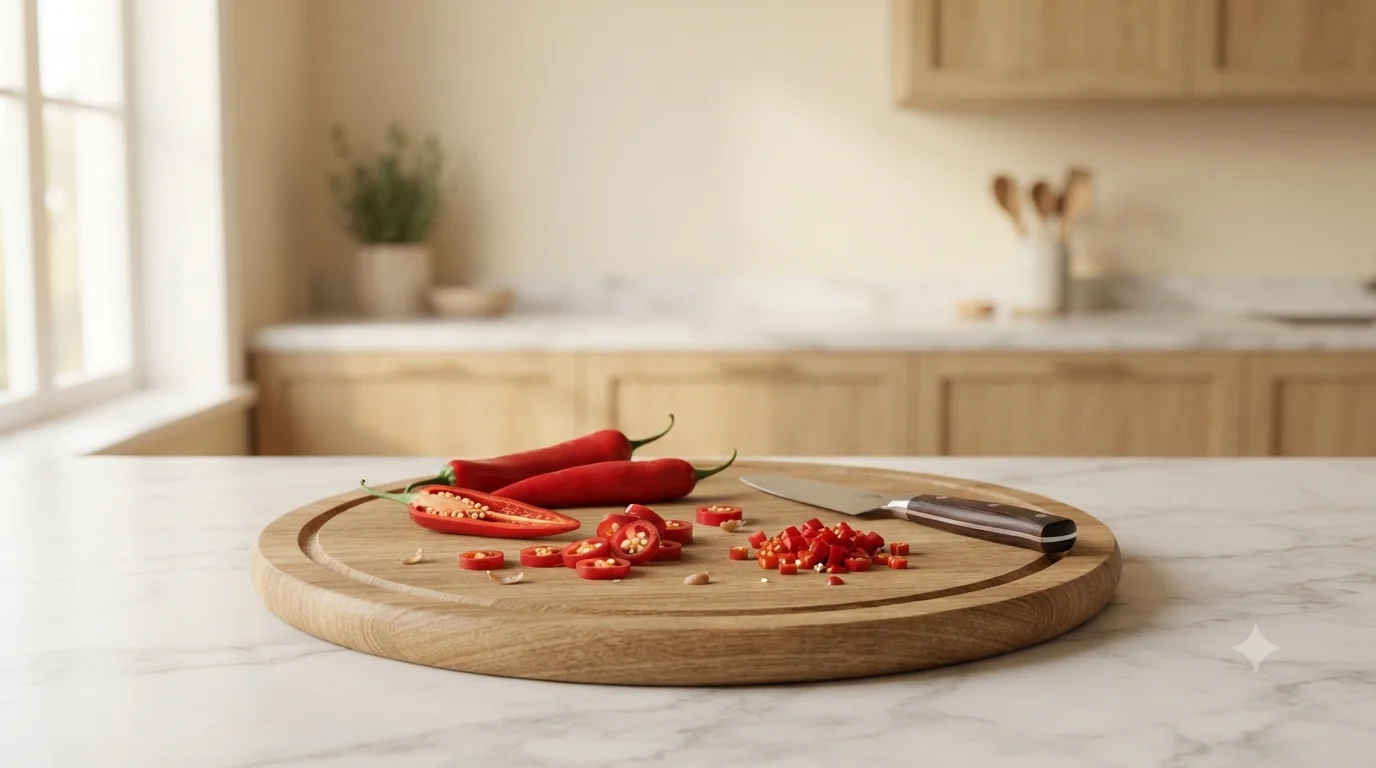
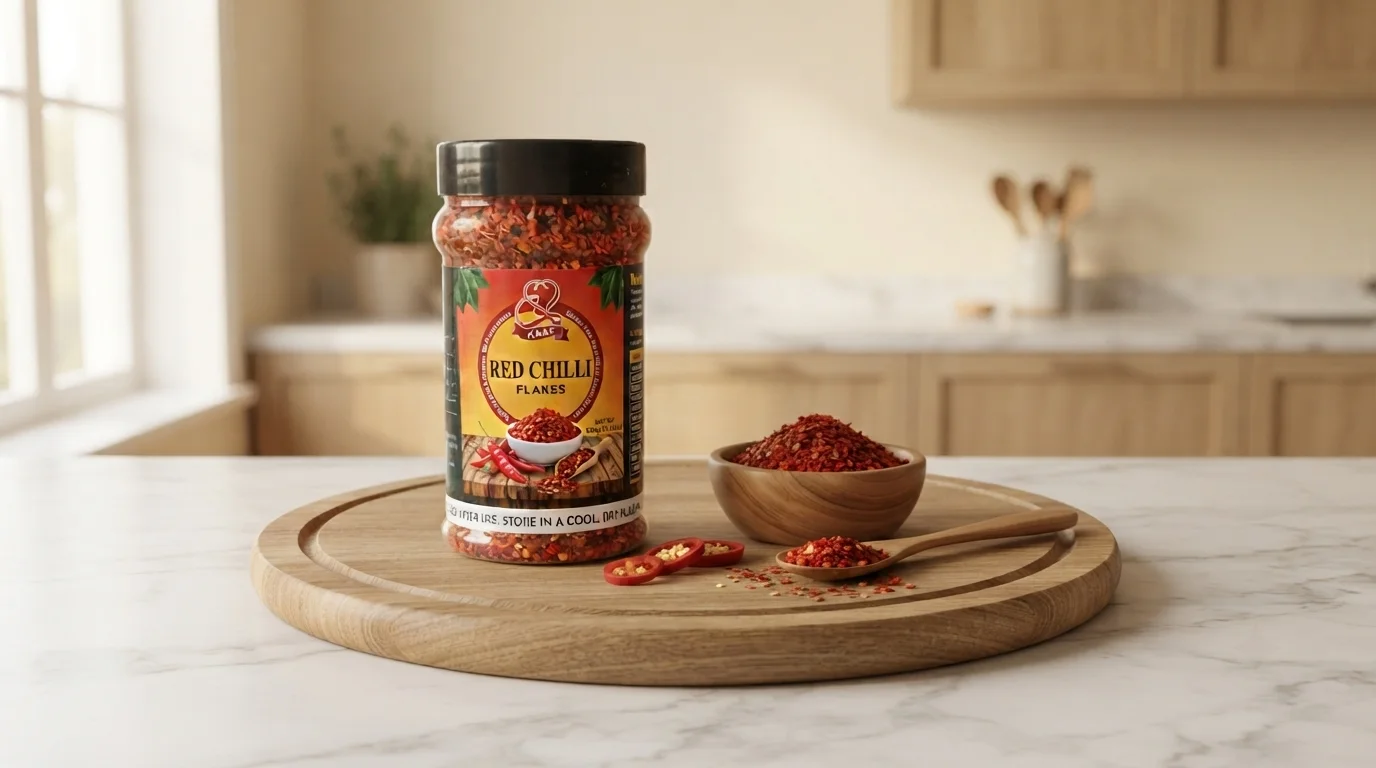
Drag the handle or click anywhere to compare the traditional prep vs. the modern Kaaf Foods™ way.
Comparison Table
| Feature | Red Chilli Flakes | Fresh Red Chilli |
|---|---|---|
| Heat Level | ||
| Cooking Time | ||
| Shelf Life | ||
| Texture in Dish |
Detailed Comparison
1. Heat & Flavor
Fresh red chillies offer a bright, grassy, and immediate heat, while Kaaf Foods™ Red Chilli Flakes deliver a concentrated, smoky, and intense kick that blends seamlessly into sauces and toppings.
2. Nutrition
Fresh chillies provide higher Vitamin C and water content, whereas Kaaf Foods™ flakes retain high levels of capsaicin, dietary fiber, and essential minerals, making them a potent antioxidant powerhouse.
3. Shelf Life
Fresh red chillies spoil within 1–2 weeks, but Kaaf Foods™ Red Chilli Flakes stay fresh for up to 24 months when stored correctly.
4. Cost
Fresh chillies are affordable but often go to waste, while Kaaf Foods™ flakes are a long-term, economical pantry investment with zero waste.
5. Best Uses
Fresh chillies are essential for salsas, chutneys, and garnishes, while Kaaf Foods™ flakes are ideal for pizza, pasta, marinades, dry rubs, and finishing touches.
Interactive Red Chilli Flakes Converter
Kaaf Foods™ Converter
Why Choose Kaaf Foods™ Red Chilli Flakes?
Kaaf Foods™ brings you the authentic heat and vibrant color of fresh red chillies without the hassle of chopping, seeding, or burning your hands. Our flakes are made from 100% dehydrated, premium-quality red chillies, rich in natural capsaicin and free from artificial colors or preservatives. They add the perfect crunch and heat to pizzas, pastas, soups, and marinades, giving you consistent, bold flavor every single time. Whether you're a home cook or a professional chef, Kaaf Foods™ is your shortcut to delicious, fiery cooking.
Pros & Cons at a Glance
Red Chilli Flakes Pros
- Instant heat & color with zero prep time.
- Long shelf life (up to 24 months).
- Concentrated capsaicin and antioxidants.
- Reduces kitchen waste & saves space.
- Versatile for pizzas, pastas, marinades & rubs.
Red Chilli Flakes Cons
- Lacks fresh grassy crunch and bright raw heat.
- Cannot replace fresh chillies in fresh salsas or salads.
Best Uses for Each
Pizza & Pasta
Flakes are the ultimate finishing sprinkle for a spicy kick.
Marinades
Flakes are perfect for a quick, spicy BBQ rub.
Tadka & Dal
Flakes bloom beautifully in hot oil for an instant fiery kick.
Snacks & Chips
Sprinkle flakes over snacks for an extra layer of crunchy heat.
🌶️ Love Cooking with Spices?
Join the Kaaf Foods™ family on YouTube! Get expert spice guides, authentic Pakistani recipe ideas, and healthy cooking tips.
SubscribeFrequently Asked Questions
Can I substitute red chilli flakes for fresh red chillies in any recipe?
How long do red chilli flakes last?
Are red chilli flakes as healthy as fresh red chilli?
How should I store red chilli flakes to keep them fresh?
Can I use red chilli flakes without cooking them?
Are red chilli flakes safe for children and pregnant women?
Conclusion
Both fresh red chillies and red chilli flakes have their unique strengths. Keep fresh chillies for texture and raw preparations, and stock Kaaf Foods™ Red Chilli Flakes for quick, concentrated heat and crunchy texture.
🌶️ Shop Kaaf Foods™ Red Chilli Flakes
- 100% Dehydrated & Pure
- Rich in Natural Capsaicin
- No Artificial Colors or Preservatives
References
- USDA FoodData Central – Red chilli flakes, dried
- National Institutes of Health (NIH) – Capsaicin & antioxidant properties
- World Health Organization (WHO) – Dietary guidelines
You May Also Read
[kaaf_related_blogs]Information is for educational purposes only. Always consult a healthcare professional.